

-
 Dare to innovate, dare to challenge
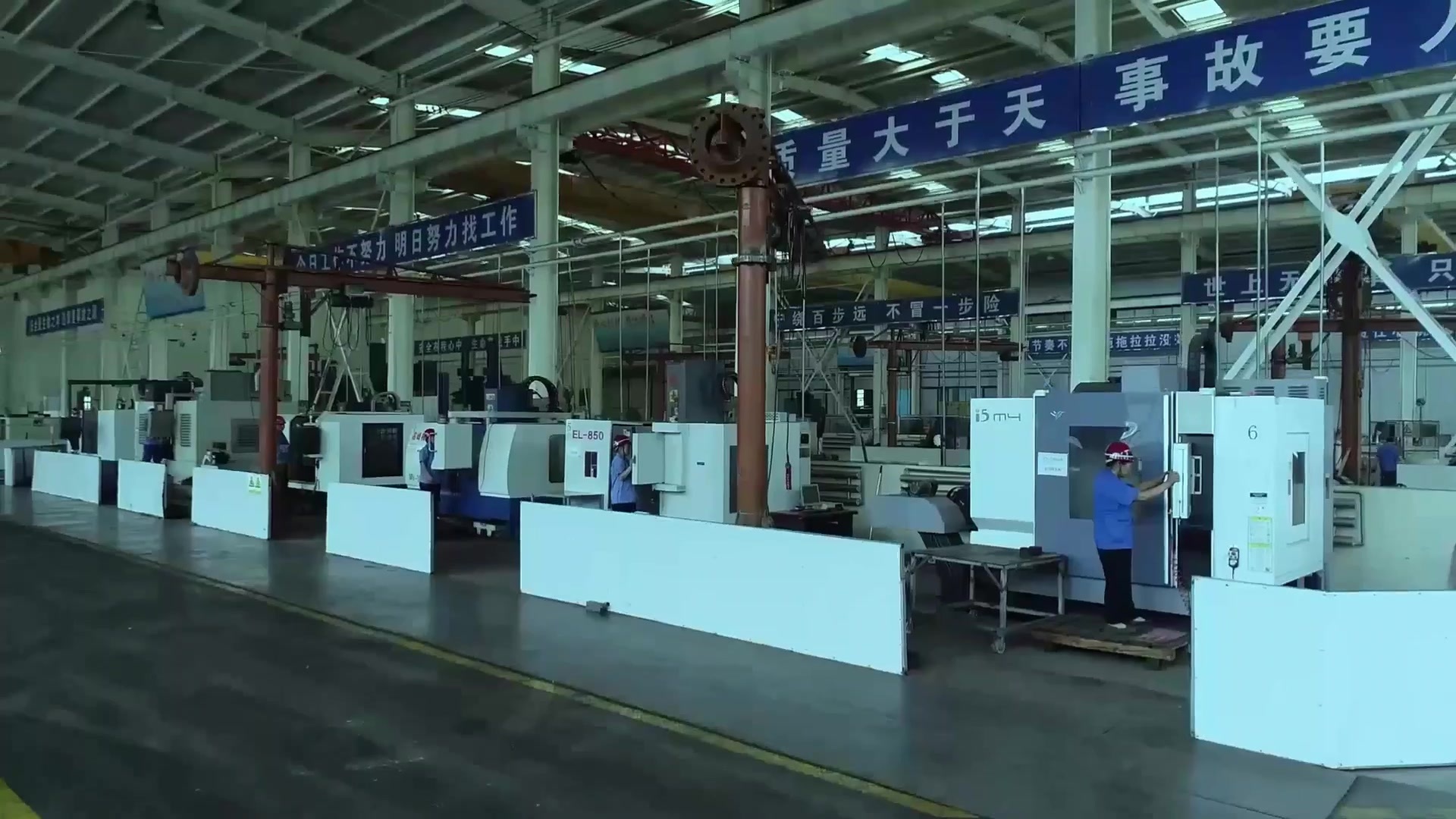
Shanxi Zhonglifalan Co., Ltd. is located in Dingxiang County, Xinzhou City, Shanxi Province, 10 kilometers from Wutai Mountain Airport. Established in 1997, with a registered capital of 100 million yuan, it is a high-tech enterprise specializing in the production of various alloy forgings and equipment structural parts. -
Products
Seek truth from facts and pursue excellence
The company has an annual production capacity of 50,000 tons. It is capable of forging large forgings with a diameter of 8 meters, a single-piece weight of 50 tons, and a radial height of 1.3 meters, as well as ultra-large metal thin-walled shells with a spin-forming wall thickness >2mm, a diameter of 2 meters, and a length of 4 meters. -
Empathy, service with heart
Products are mainly used in aviation, aerospace, defense, shipbuilding, steam turbines, petroleum refining and chemical industry, coal chemical industry, metallurgy, nuclear power, pressure vessels and other fields.
Product Categories
Contact Us
Address: Dingxiang, Xinzhou, Shanxi, China
Mobile:+86-18535089110
Email:zhongliflange@163.com

Welding flange is a widely used connection technology in the industrial field, especially in the fields of pipelines, valves, equipment and machinery.

A blind flange (BL flange, blank flange) is simply a solid disc with bolt holes. No bore, no hub—just a forged plate that bolts between two flanges to shut off flow, isolate a line, or create an access point for pressure testing. Because it starts as a blind plate flange forging, the grain runs right through the thickness, giving the same pressure rating as the mating weld-neck or slip-on—only now the flow is zero.

Socket Weld Flanges (SW Flanges) achieve smooth, high-strength connections without threaded joints or full-penetration welding. Insert the pipe into the socket until it abuts the shoulder, back off 1/16 inch to allow for thermal expansion, then apply a single fillet weld on the outside. Their static strength matches that of socket-weld flanges, while fatigue life improves by approximately 50%, making them particularly suitable for pipelines experiencing frequent pressure or temperature fluctuations.

A plate flange (PL flange, flat flange) is a flat, circular forging with a central bore and a ring of bolt holes. Slip it over the pipe, weld both sides, and the line is sealed—no hub, no neck, just a flat flange that keeps installation simple and costs low.
Note: A plate flange has a bore and connects pipes; a blind flange (BL) has no bore and blocks flow—choose PL for connection, BL for isolation.

A figure 8 blind flange looks like its name: one solid disc and one ring joined by a short web. Bolt it between two flanges, spin it 180°, and the line is either wide open or positively blanked. No valve seats to leak, no gaskets to replace every month—just a single forging that stays in the piping system for life.
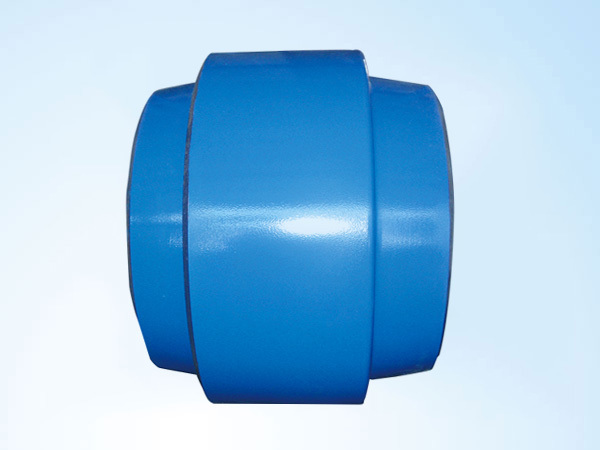
An anchor flange (AF) is a one-piece forging with no bolt holes. It is butt-welded between two line sections and cast into a concrete anchor block, turning axial thrust into soil pressure. No gaskets, no tightening sequence—just a solid anchoring flange that keeps long pipelines, submarine jumpers and bridge approach lines from walking under temperature or pressure surges.

A plate flange (PL flange, flat flange) is a flat, circular forging with a central bore and a ring of bolt holes. Slip it over the pipe, weld both sides, and the line is sealed—no hub, no neck, just a flat flange that keeps installation simple and costs low.
Note: A plate flange has a bore and connects pipes; a blind flange (BL) has no bore and blocks flow—choose PL for connection, BL for isolation.

A threaded flange (thread flange, Th flange) carries a female NPT thread in the bore. Screw the pipe in, add a gasket, bolt up, and the line is sealed—no welding, no hot work, ideal for small-bore or hazardous plant areas. Because the connection is mechanical, threaded flanges are the first choice for explosive atmospheres, cryogenic vent lines, and any location where a spark could be costly.

When pipe sizes exceed the workbench, you require large-diameter flanges. These flanges are forged from a single billet, maintaining the same grain flow and pressure rating as smaller flanges—only the bolt circle diameter is measured in meters rather than millimeters. Whether referred to as large-bore flanges, Series A weld neck flanges, or Series B blind flanges, their function remains consistent: connecting NPS 26-60 pipelines without compromising pressure ratings.

A tube sheet flange is a critical pressure-bearing component used in pressure vessels such as heat exchangers, boilers, and condensers to secure tube bundles and isolate shell-side from tube-side media. Typically, it consists of a precision-machined, perforated circular plate with numerous tube holes. Its outer edge features a standard flange sealing face and bolt holes for connecting to equipment shells or other pipe flanges.
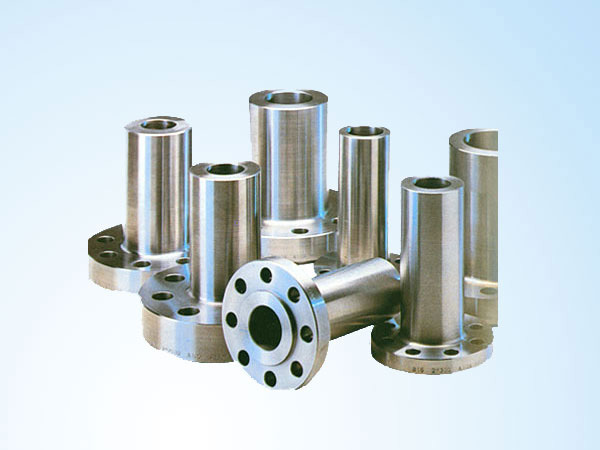
In the industrial field, the long neck flange is an important connecting device, widely used in the connection of pipes, valves, pumps and other equipment. It has unique advantages, such as strong load-bearing capacity and good sealing performance, making it an indispensable part of many industrial fields. This article will provide a detailed introduction to long neck flanges.

Email:
Phone/Fax
Mobile
Address
West of Airport Road, North of Hutuo River Bridge, Dingxiang , Shanxi Province
We will contact you within one working day.
Please pay attention to your email.
Our main products
Power by 300.cn Privacy Policy
Messages
